Romance Glossary · by Sera Voss
Hurt Comfort Trope: What It Means and Why It Hits So Hard
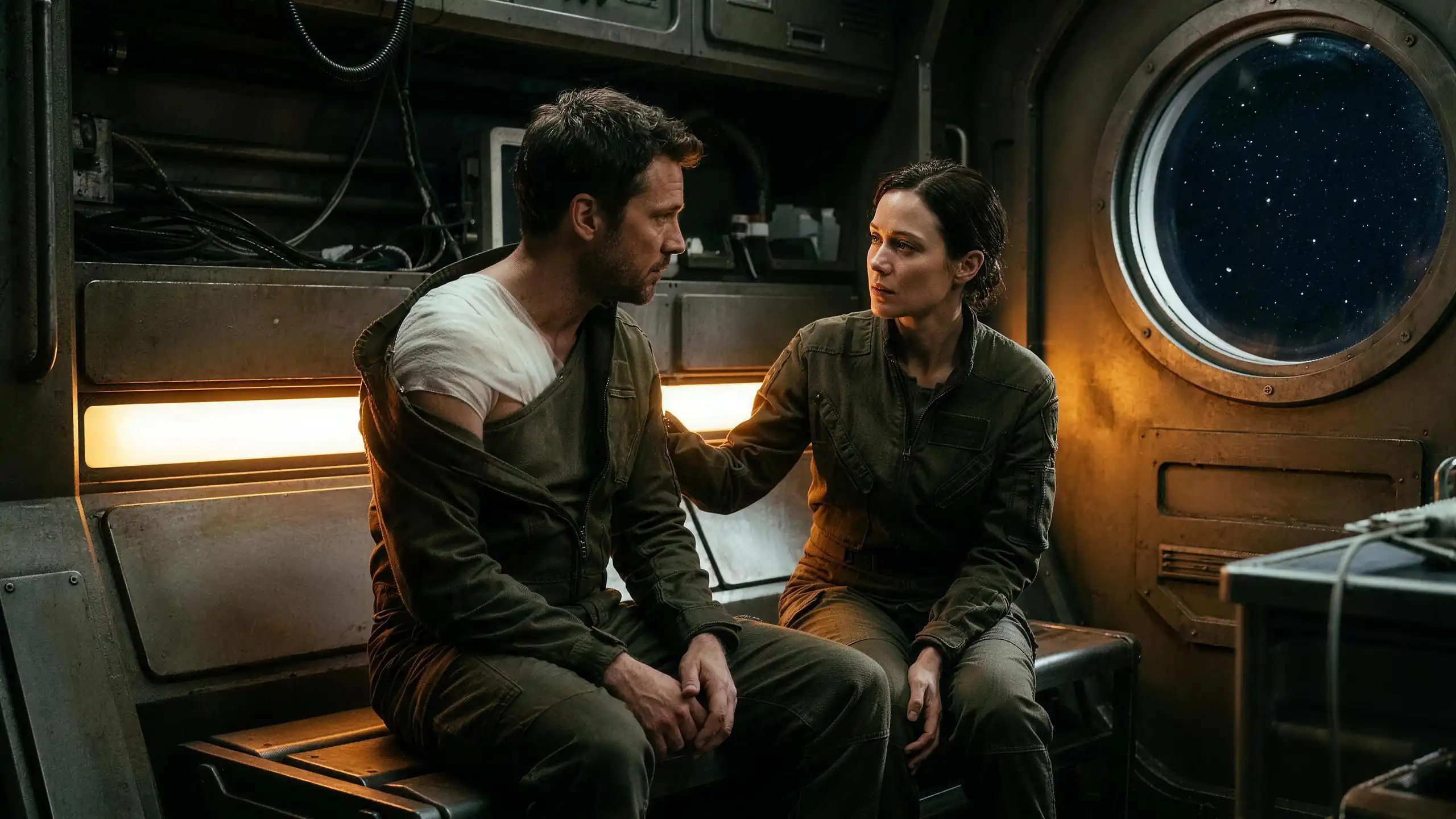
Hurt comfort means one character is wounded and another one tends to them.
What the trope means, why readers seek it out, and how it works in romance.
Last updated: 1 October 2026
Hurt comfort is a trope where one character is hurt, physically or emotionally, and another character tends to them.
We do not list hurt comfort among the tropes of The Starfall Accord, so we will not promise the tending scenes.
What the book does carry is the hurt: two leads from opposite sides of a war, and published content notes that name war, loss and survivor's guilt.
Check the book against your must haves and dealbreakers with the fit finder: it takes under a minute and asks for no email.
Test the book against your listThe injury is only the setup. What readers come for is the tending, because looking after someone strips away the defenses both people were using to keep each other at a distance.
The wound opens the door. The care is what you stayed for.
The hurt can be a wound taken in a fight, grief that arrived years ago and never left, or a body that has stopped cooperating after too many days awake.
What makes it hurt comfort is the second half, when someone else notices and does not walk away.
Why the Trope Works
Hurt comfort produces intimacy that neither character would have agreed to.
Being cared for means being seen at your worst. It means someone watching you fail to manage something you have always managed alone, and staying anyway.
That shortcuts every defence a guarded character has built. It is why the trope lands so hard on leads who spend the rest of the book refusing to need anyone.
Readers also describe it as comforting to read, which sounds strange for a trope built on injury. The reason is the promise underneath it: someone will show up.
| Compared on | Hurt comfort | Whump |
|---|---|---|
| Where the focus sits | The tending that follows the wound | The suffering itself |
| Is comfort required | Yes, it is the point of the trope | No, the story can end in the hurt |
| Emotional payoff | Being cared for, and letting it happen | Endurance and survival |
| Typical reader reason | Comfort and closeness | Intensity and catharsis |
What The Starfall Accord Has Instead: War Damage and a Crew
Sera Voss built The Starfall Accord on two people carrying damage from a war they fought against each other.
Commander Thane Aldric is responsible for keeping a crew alive and has been doing it too long, while Coalition Liaison Kira Vasic arrives as the outsider investigating them, and she is not undamaged either.
What the book carries, and what it does not promise:
- Two leads who fought on opposite sides, with war, loss and survivor's guilt named in the published content notes
- A found family crew that includes a ship's medic, Joss, a quiet mediator
- Dual point of view, so each lead's side of the same moments is on the page
- No aliens, a human crew, a closed door, and one book that finishes the couple's story completely
- No promise of tending scenes, because hurt comfort is not one of the tropes the book is listed under
If the tending itself is what you came for, we cannot promise it, and the fit finder does not test for hurt comfort, though it checks the rest of your list against the book.
More of the shorthand readers use is unpacked in every trope term explained in one place.
Test the book against your listSera Voss tells their story across the standalone with a guaranteed happy ending and resolves the couple completely, with no cliffhanger waiting at the end.
Every character in it is human, and there are no aliens in the book. The romance is closed door.
See the book · coming soonAustralian buyers pay GST and EU buyers pay VAT on top where it applies. UK ebooks carry no VAT.
Frequently asked questions
What is the hurt comfort trope?
Hurt comfort is a trope where one character is hurt, physically or emotionally, and another character tends to them.
The wound creates the opening and the care is what the reader came for.
It can be a battlefield injury, a panic attack, grief, or the slow damage of something that happened years earlier.
Why do readers love hurt comfort?
Hurt comfort forces intimacy that the characters would never have chosen on their own.
Being cared for requires being seen at your worst, so the trope produces closeness faster and more honestly than dialogue can.
Readers also report it as genuinely comforting to read, because the story promises that someone will show up.
Is hurt comfort the same as whump?
No.
Whump focuses on the suffering itself and can end there.
Hurt comfort requires the second half, the tending, and the comfort is the point of the trope rather than a bonus.
Free reader's guide
Get the Starfall Accord Field Guide
No spoilers.
Know exactly what you are getting before you spend a cent, and the Field Guide lands in your inbox as soon as you leave your email.
Inside: The crew · The two factions · The trope map · Full content safety notes.
You will also be the first to know the day The Starfall Accord goes on sale.
Ready to Fall Into the Stars?
Enemies. Allies. Something more. The Starfall Accord begins with a single, impossible truce.