Romance Glossary · by Sera Voss
Insta Love: What It Means and the Slow Burn Opposite
Insta love is when characters fall for each other almost instantly.
What the term means, why it divides readers, and the slow burn opposite.
Last updated: 1 October 2026
Insta love is a romance pattern where two characters fall deeply in love almost immediately, often on first meeting.
If that pacing leaves you cold, The Starfall Accord is the opposite.
Two adversaries share one warship, and the first kiss waits until chapter 15 of 22, long after insta love would have settled it.
Three chapters are free to read, and nobody asks for your email.
Read the opposite of insta love, freeLove at first sight, taken literally.
The bond arrives fast and certain, with little of the gradual build, the resisting, or the wanting that defines the slower end of the genre.
Insta love front loads the certainty.
You know they are meant for each other almost before they do.
What Insta Love Actually Is
Insta love establishes the central bond fast, then explores the relationship from inside it.
Sometimes it is a spark on first sight, and sometimes it is two characters certain of each other within a chapter or two.
Instead of asking whether they will fall, the story asks what happens now that they have, and it works beautifully when a book leans into it and leaves the feeling somewhere to go.
The Opposite of Insta Love: The Starfall Accord
Sera Voss's The Starfall Accord sits at the far end of the pacing spectrum from insta love.
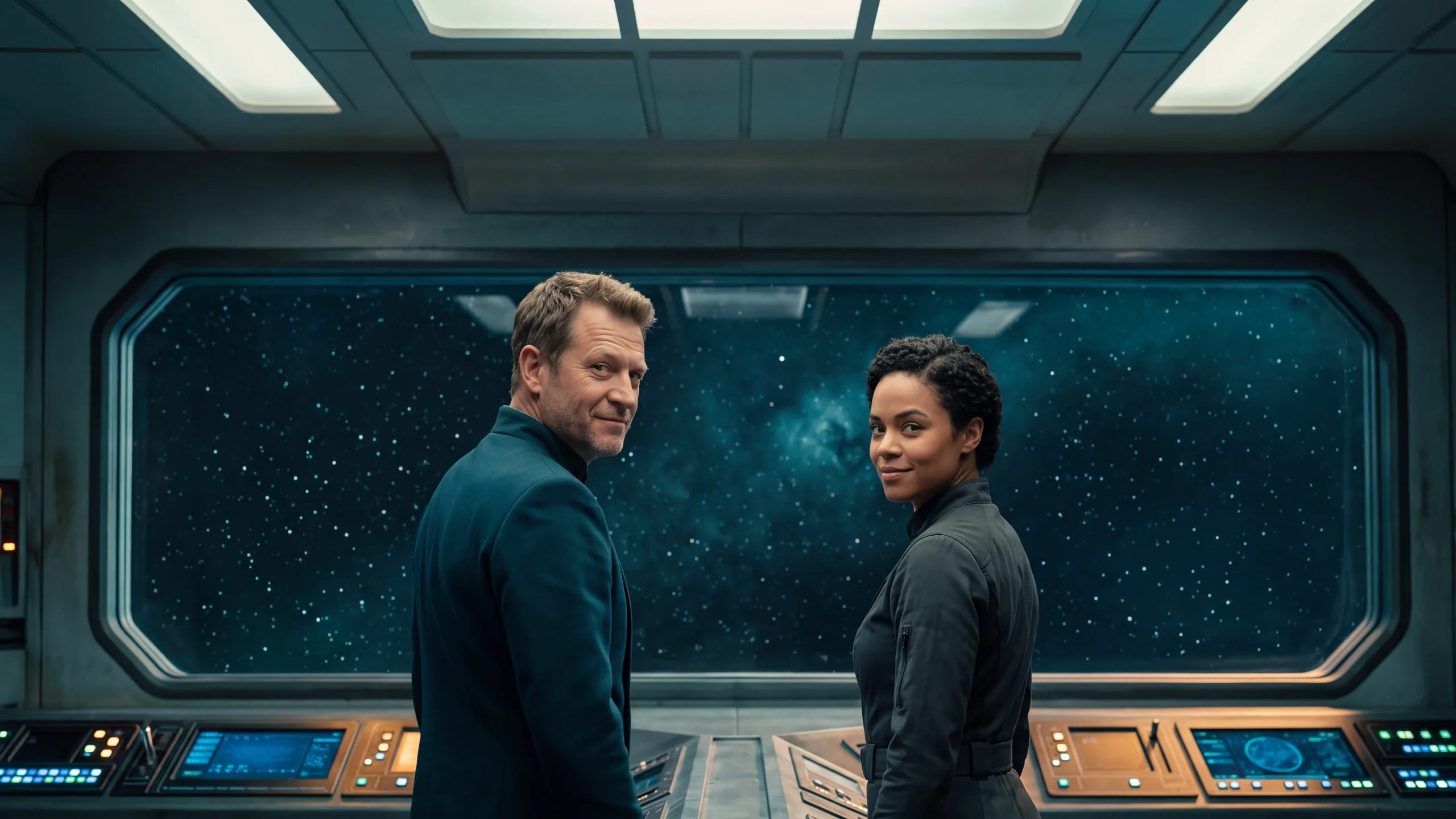
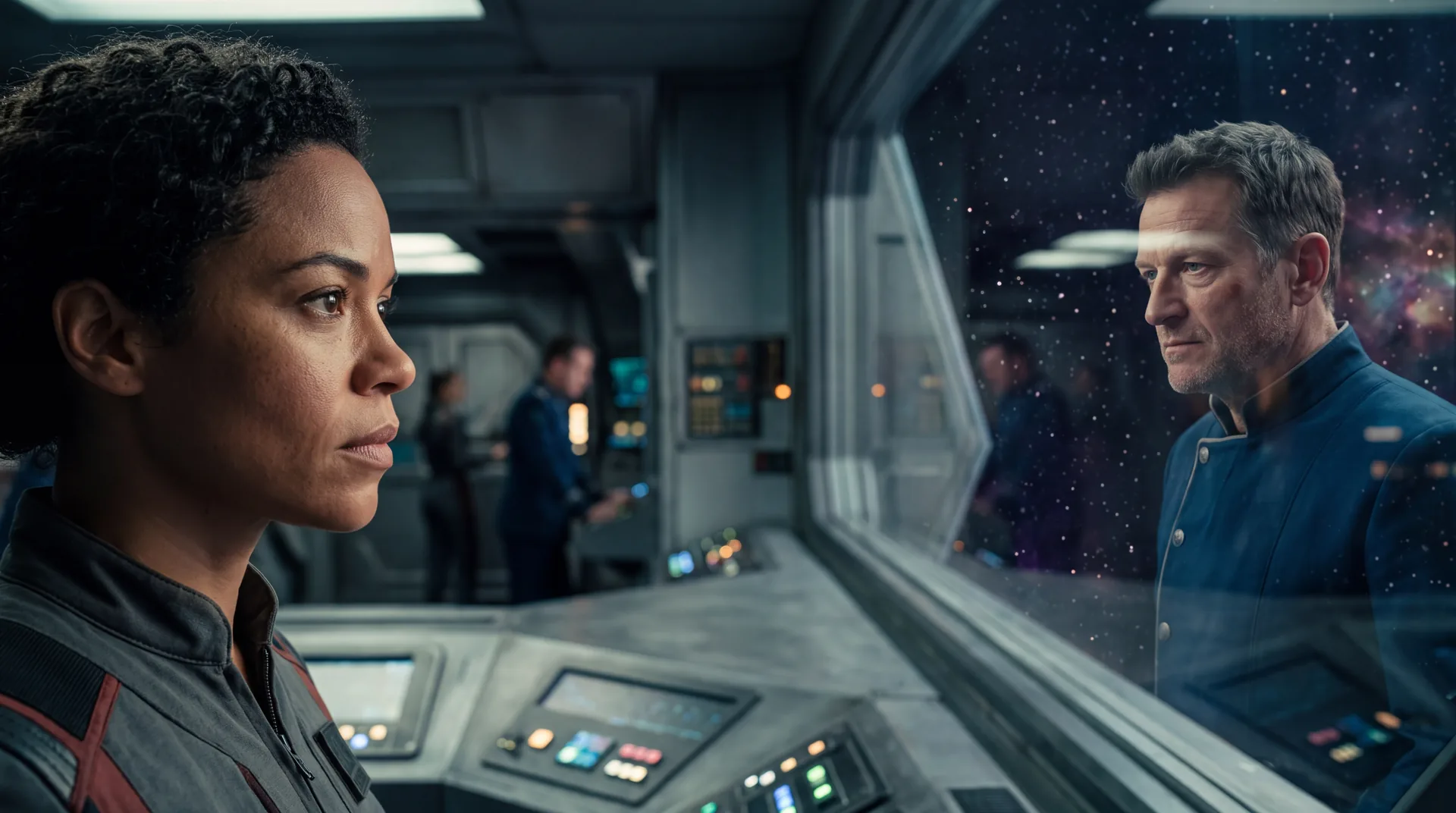
Kira Vasic and Commander Thane Aldric meet as adversaries, not as soulmates who recognise each other on sight.
Enemies to lovers gives the slow burn somewhere to start, and forced proximity keeps them together while everything about them wants to pull apart.
What you get instead of insta love:
- Fourteen chapters of resistance, with the first kiss withheld until chapter fifteen
- Tension made out of restraint rather than instant certainty
- Both leads narrate, so you feel the holding back from both sides
- A happily ever after that is promised in advance, so the long wait has a landing
- Closed door, human only, no aliens, and a complete arc in one book that ends clean
Nothing here is instant, and that is why the payoff lands.
If another term here was new to you, the romance glossary defines it.
Start at chapter one, freeIf you read for the build, the human only space opera this page keeps pointing to is the opposite pattern.
Twenty two chapters of enemies to lovers in deep space, told from both sides.
The first kiss is held back until chapter fifteen. Human only, no aliens, closed door, and one standalone book whose happily ever after is guaranteed with no cliffhanger behind it.
See the book · coming soonAustralian buyers pay GST and EU buyers pay VAT on top where it applies. UK ebooks carry no VAT.
Frequently asked questions
What is insta love?
Insta love is a romance pattern where two characters fall deeply in love almost immediately, often within their first meeting or first few chapters.
The connection is presented as intense and certain from the start, with little of the gradual build that slow burn readers look for.
It is sometimes called love at first sight.
What is the difference between insta love and slow burn?
Insta love establishes the couple's bond fast and explores the relationship from inside it.
Slow burn holds the couple apart for most of the book and builds tension through restraint and delay.
Insta love front loads the certainty.
Slow burn front loads the wanting.
They are opposite ends of the pacing spectrum.
Is insta love ever done well?
Yes.
Insta love works when the story is honest that the pull is attraction or fascination rather than settled love, and then earns the deeper bond over the book.
A strong instant spark followed by a real build is very different from a couple who are simply in love by chapter two with nothing left to develop.
Free reader's guide
Get the Starfall Accord Field Guide
No spoilers.
Know exactly what you are getting before you spend a cent, and the Field Guide lands in your inbox as soon as you leave your email.
Inside: The crew · The two factions · The trope map · Full content safety notes.
You will also be the first to know the day The Starfall Accord goes on sale.
Ready to Fall Into the Stars?
Enemies. Allies. Something more. The Starfall Accord begins with a single, impossible truce.