Romance Glossary · by Sera Voss
What Is a Book Hangover? The Bittersweet Ache That Proves the Story Worked
A book hangover is the ache you feel after a story you cannot let go of.
Why it happens, and the next read built to earn you another one.
Last updated: 1 October 2026
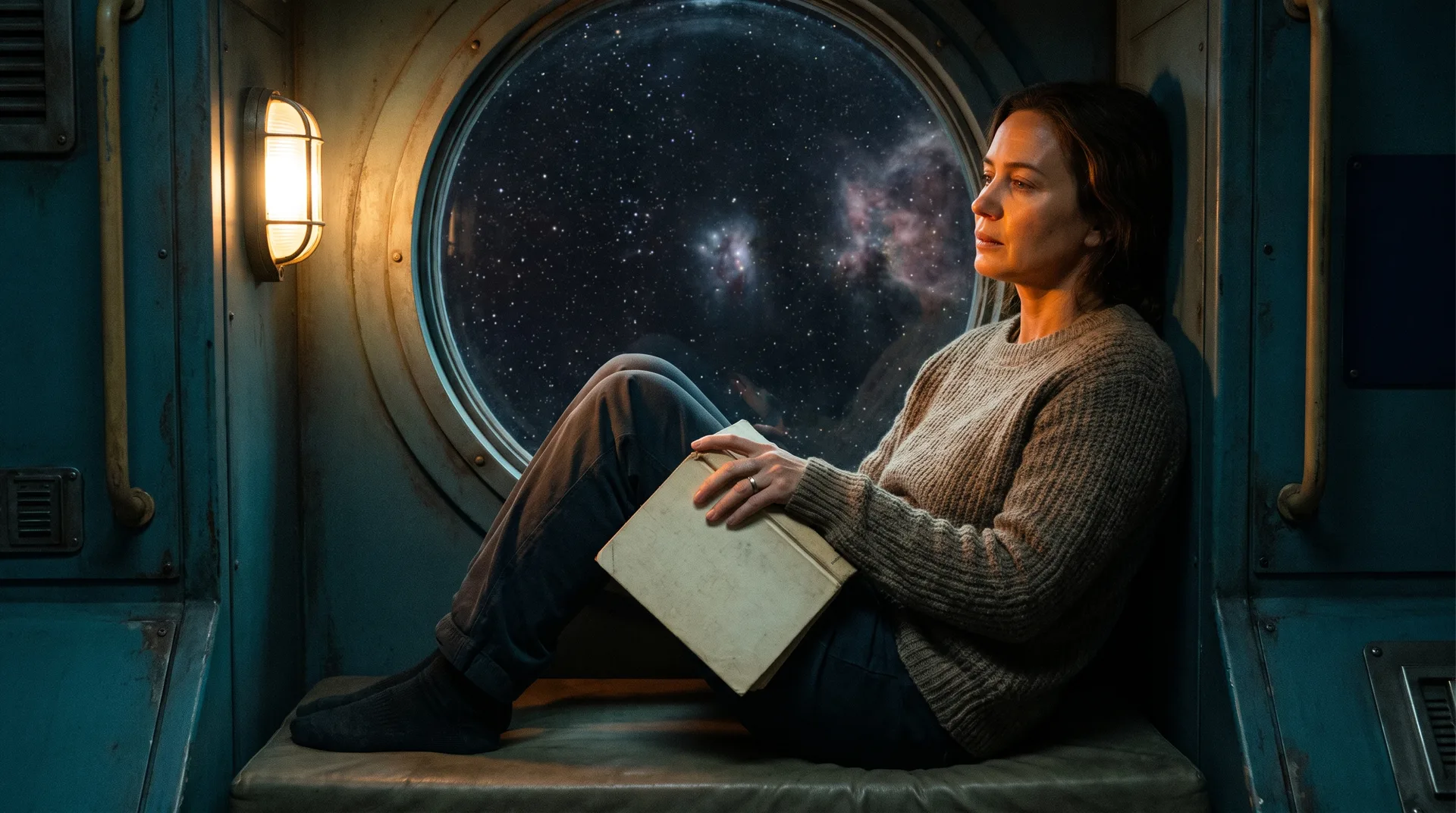
A book hangover is the disoriented, bittersweet feeling readers experience after finishing a deeply absorbing book.
It is a lingering emotional attachment to characters and a story world that makes returning to ordinary life feel temporarily wrong.
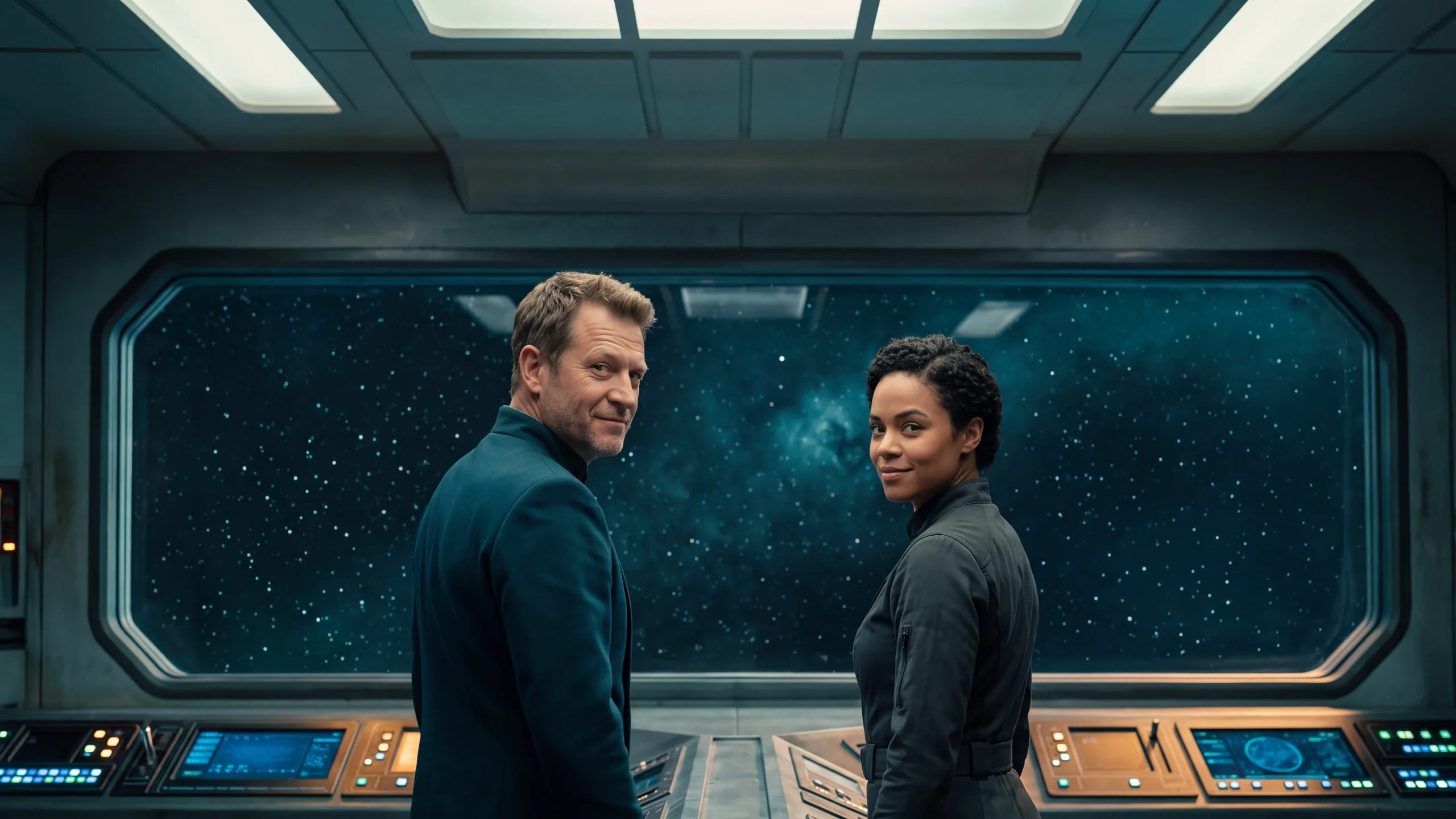
When you are ready for the next one, our own book, The Starfall Accord, is an enemies to lovers slow burn told from both sides, with fourteen chapters before the first kiss.
The first three chapters are free, with no email required.
Line up your next one, freeIt is usually a sign the book did its job rather than a problem to fix.
The fog you cannot shake after the last page.
Here is why the best books leave a mark, and what to do when you are ready for the next one.
Signs You Have a Book Hangover
- You try to start a new book and nothing sticks, because everything feels flat next to what you just finished
- You think about the characters like people you actually know, wondering what they are doing now
- You replay scenes in your head during conversations that have nothing to do with fiction
- You feel half in the real world and half in the one you just left
It is not sadness, exactly.
Closer to longing.
The story gave you a world, two people, and a relationship that built slowly enough to feel true. Now you are adjusting to its absence.
That is not a flaw in how you read, because it is proof the story worked.
Book hangover is one of the terms defined in the full romance tropes list.
What to Do When a Book Hangover Hits
The instinct is to immediately find the next book.
Do not.
Sitting with the feeling is part of it, so let the story settle before you try to replace it.
When you are ready, match the emotional weight rather than the surface tropes.
Work out what you are actually missing, usually the pacing, the stakes, and a release that pays off everything you sat through to earn it.
Then pick a book built on the same structure, not the same plot.
Maybe the hangover came from a slow burn romance set against something bigger than the two characters, like a war, a mission, or a world that kept trying to pull them apart.
The Starfall Accord runs on exactly that structure.
It is a found family space crew romance wrapped inside a political crisis, with enemies forced into proximity, trust built under pressure, and tension that compounds across every chapter.
What it offers:
- Dual POV (both points of view): you are inside both of their heads for the full 90,000+ words
- Enemies to lovers with genuine antagonism before genuine feeling
- Fourteen chapters before the first kiss, with nothing rushed on the way to it
- A complete HEA (a happily ever after) with no cliffhanger: the romance resolves fully in this book
- A crew that becomes a family alongside the central relationship
- Closed door: all heat is emotional, not explicit
Name what you are missing, and the fit finder shows whether this book has it.
Open chapter one now, freeReady for the Next One?
For the next one, the standalone with a guaranteed happy ending runs 90,000+ words of enemies to lovers across twenty two chapters, narrated by both leads, and finishes its own story.
You can read to the end of chapter three for nothing, with no account to make and no email to hand over.
It also covers what comfort readers check first.
The door stays closed, the cast is human with no aliens, consent is never fudged, nobody cheats, and the ending is happy by contract.
The ebook is $4.99 USD as an EPUB and PDF, yours to keep, coming soon direct from the author.
Australian buyers pay GST and EU buyers pay VAT on top where it applies. UK ebooks carry no VAT.
Take the sample, no emailSee the book · coming soonFrequently asked questions
What is a book hangover?
A book hangover is the disoriented, bittersweet feeling readers experience after finishing a deeply absorbing book.
It is a lingering emotional attachment to characters and a story world that makes returning to ordinary life feel temporarily wrong.
What causes a book hangover?
Books that build emotional stakes slowly over hundreds of pages, create characters with complex interior lives, and stick the landing with a satisfying ending are most likely to cause hangovers.
The longer the tension simmers, the harder it hits when the story ends.
How long does a book hangover last?
It varies by reader and by book.
A mild hangover can fade within a day.
A serious one from a book that genuinely consumed you can last a week or more, with the characters and scenes resurfacing during unrelated moments long after the last page.
How do you get over a book hangover?
Resist the urge to immediately start a new book.
Sitting with the feeling is part of the experience.
When you are ready, look for books with the same emotional DNA rather than the same plot.
The structure you are missing is usually deeper than the specific tropes.
What should I read after a book hangover?
Look for a book that matches the pacing and relationship depth of the one you just finished, not just the same tropes.
If the hangover came from a dual POV slow burn, you need another story where the tension builds across every chapter and the ending pays off every page you invested.
The Starfall Accord by Sera Voss is a dual POV slow burn built on exactly that pacing.
Free reader's guide
Get the Starfall Accord Field Guide
No spoilers.
Know exactly what you are getting before you spend a cent, and the Field Guide lands in your inbox as soon as you leave your email.
Inside: The crew · The two factions · The trope map · Full content safety notes.
You will also be the first to know the day The Starfall Accord goes on sale.
Ready to Fall Into the Stars?
Enemies. Allies. Something more. The Starfall Accord begins with a single, impossible truce.