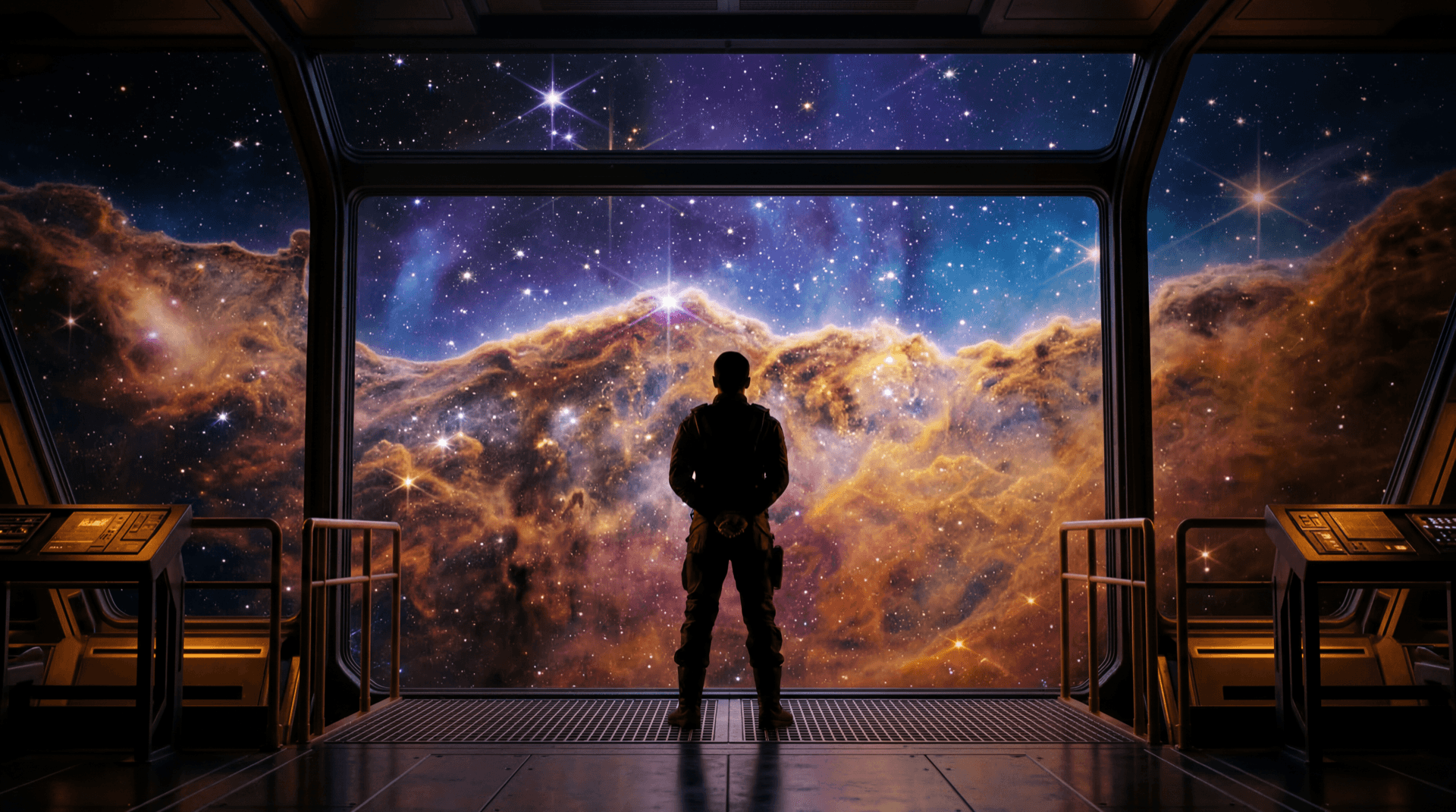
There is something almost chemical about an enemies to lovers slow burn space opera.
The moment you crack open a book and realise two characters despise each other, genuinely, viscerally, with history behind it, you are already hooked.
Add the vast, unforgiving backdrop of space, and that tension becomes something else entirely: claustrophobic, electric, inescapable.
If you have been searching for exactly this kind of story, you are not alone.
It is one of the most beloved combinations in speculative fiction, and for good reason.
Why the Enemies to Lovers Trope Is So Irresistible
At its core, enemies to lovers works because it earns the romance in a way few other tropes can.
There is no easy shortcut.
The characters cannot simply decide to like each other. They have to earn it, layer by layer, through conflict, revelation, and reluctant respect.
The hostility between two characters tells us something true about both of them.
It tells us what they value, what they fear, what they protect.
When that hostility begins to crack, when one small act of unexpected kindness or vulnerability slips through, the reader feels it before the characters do.
That is the ache of the trope.
You see it happening before they will admit it to themselves.
Anyone who has scrolled through BookTok or fallen down a Goodreads rabbit hole at midnight knows exactly what I mean. You finish one of these books and immediately start hunting for the next.
The shift from antagonism to something softer is not just satisfying.
It is genuinely moving, because it represents change. Real, earned, irreversible change in two people who never expected it from each other.
Why Space Opera Is the Perfect Setting
Space opera amplifies everything.
The stakes are already enormous. Civilisations, alliances, the fate of entire star systems.
When you drop an enemies to lovers dynamic into that context, every interaction carries double weight.
But it is the physical setting that does the real work.
Ships are close quarters. There is nowhere to go.
Two people who would rather be anywhere else in the galaxy are forced into the same corridor, the same briefing room, the same tense silence during a long transit between stars.
Forced proximity in space opera is not a contrivance. It is a feature of the genre.
Crews cannot simply walk away from each other.
Missions demand cooperation even when cooperation feels impossible.
Every time the characters are thrown together by circumstance, the reader holds their breath.
The isolation of space also strips away distraction.
There are no friends to retreat to, no city to lose yourself in.
It is just the two of them, the stars, and whatever is building between them whether they like it or not.
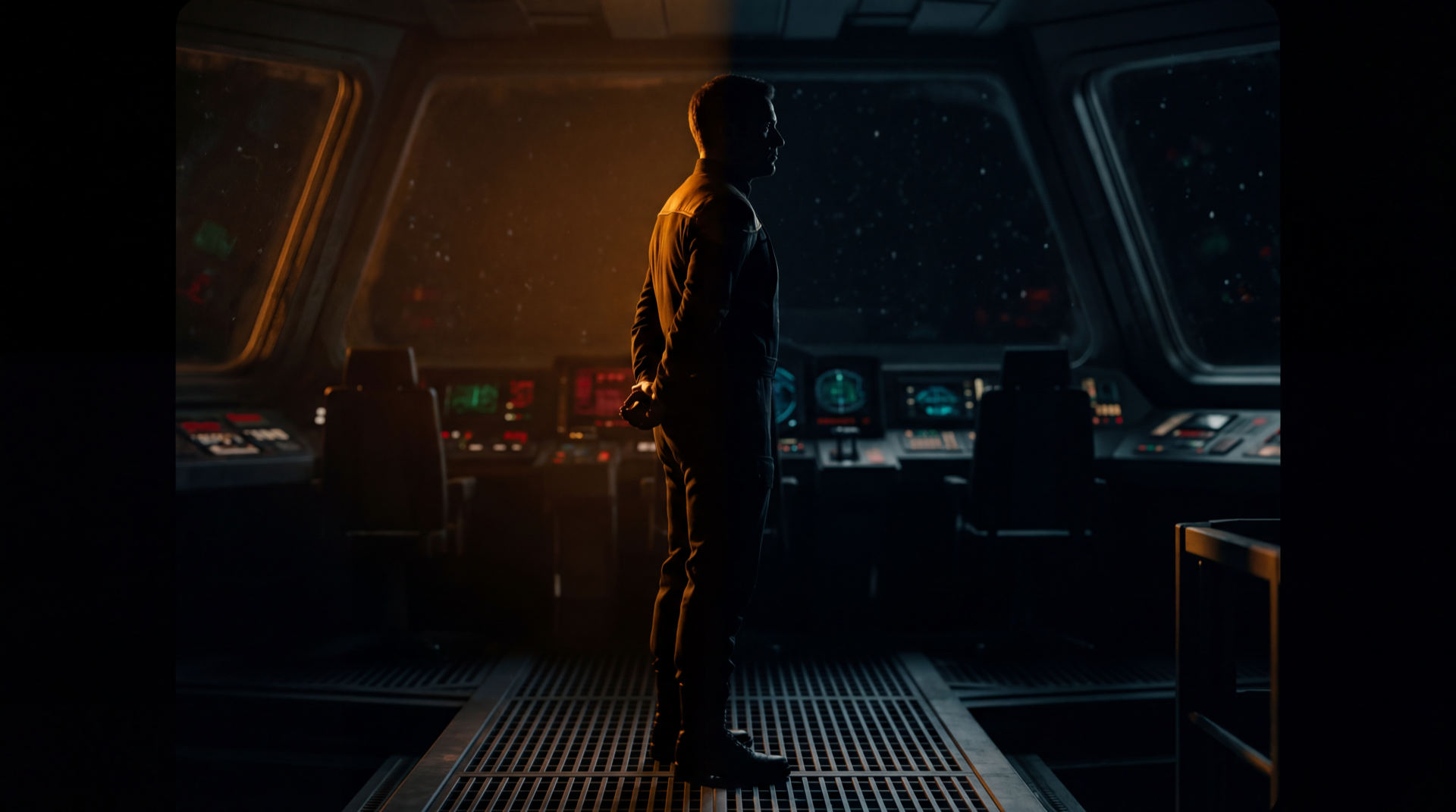
The High Stakes Amplifier
Space opera's grand scale does something else, too.
It makes the personal feel cosmically significant.
When two people from opposing sides of a conflict slowly begin to see each other clearly, that shift is not just personal. It carries implications for every alliance, every loyalty, every decision that follows.
The political becomes intimate. The intimate becomes political.
That doubling of stakes is something few other genres can achieve with the same intensity.
What Makes a Slow Burn Actually Work
Slow burn is not just a delayed kiss.
I have read dozens that confuse slow pacing with slow burn, where the author simply withholds the relationship without building anything in the gap.
Done poorly, it is merely a story where nothing happens for too long.
Done well, it is one of the most emotionally satisfying reading experiences imaginable.
The key is momentum.
Every scene must advance something. Not necessarily the relationship directly, but the reader's understanding of who these characters are and why they might eventually matter to each other.
A well written slow burn makes you notice everything:
- A lingering glance across a crowded bridge
- A word swallowed before it could escape
- A choice that protected someone who was supposed to be the enemy
- The way a name sounds different the tenth time it is spoken
Pacing in a slow burn space opera requires patience from the author and trust from the reader.
The payoff, when it comes, has to be proportional to the wait.
Every chapter of tension is an investment, and the best books honour that investment with a moment that makes the whole journey feel inevitable in retrospect.
Anticipation is doing the heaviest lifting here.
The almost moments. The misunderstandings that delay what the reader can already see coming. The way two people begin to orbit each other even as they insist they are not.
The Starfall Accord
If this is the kind of story you have been looking for, The Starfall Accord fits this description precisely.
Set against the fractured politics of a universe on the edge of war, it follows two characters whose histories have put them firmly on opposite sides of a conflict neither fully chose.
They are not villains to each other. They are something more complicated than that.
They are people shaped by different loyalties, different losses, different versions of the same fractured world.
The romance is never the only thing happening.
The broader story demands their attention, their skill, their uneasy cooperation.
Which is exactly how The Starfall Accord earns its slow burn. The characters themselves keep trying to put the mission first. Keep insisting that is all it is.
The tension builds through proximity, through shared danger, through the gradual and unwilling realisation that the person you were certain you understood is far more than you assumed.
The characterisation is patient. The payoff is worth every page of waiting.
It is the kind of book you finish and immediately want to start again from the beginning, knowing what you know, watching for all the moments you half noticed the first time.
I have lost entire evenings to rereads like this, and the corridor scenes still land differently every time.
If enemies to lovers slow burn space opera is your genre, this is a story built for you.
Explore it at your own pace, but be warned, it is difficult to put down once the tension begins to pull.
Discover The Starfall Accord